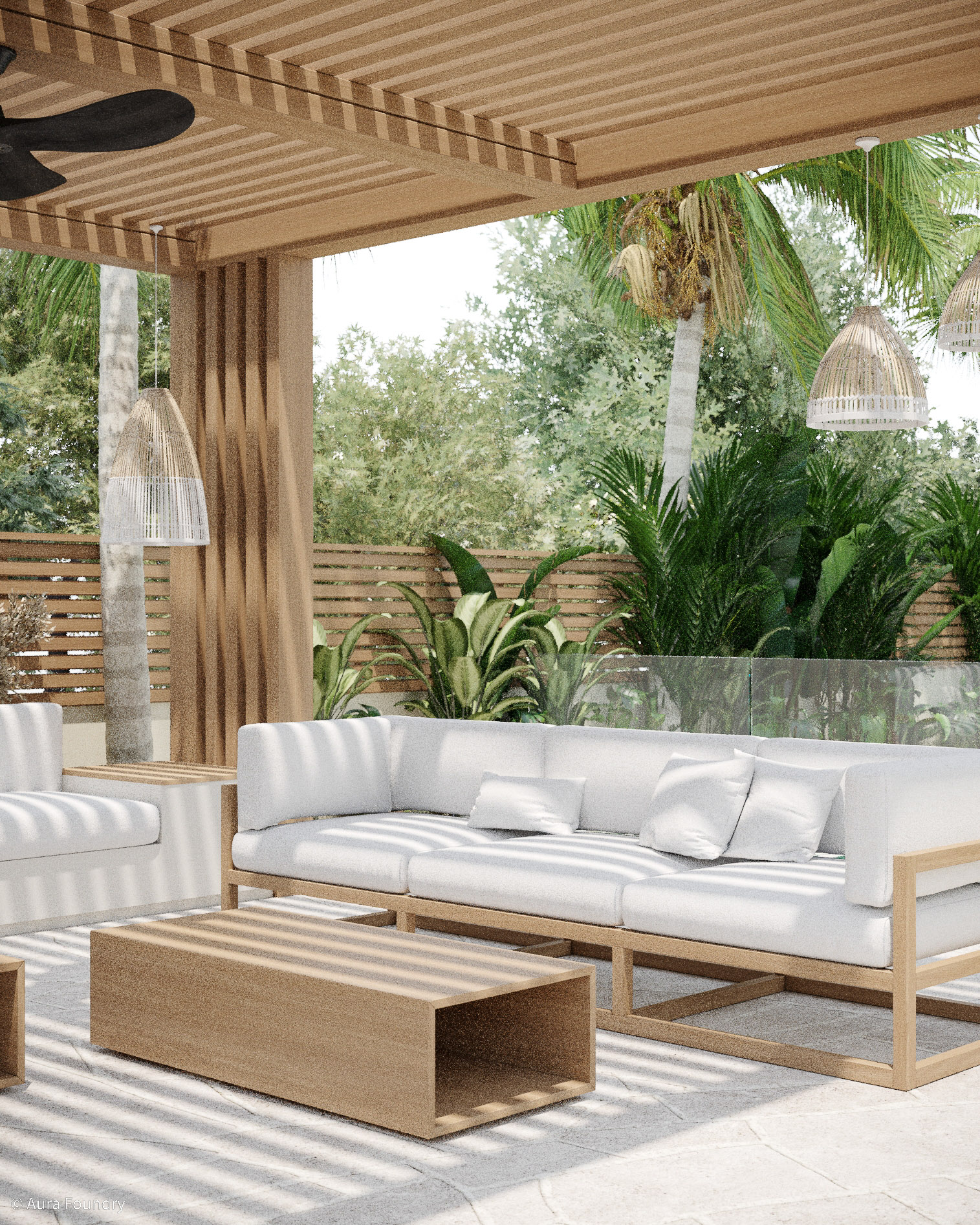
False Ceiling Design Ideas for Indian Homes in 2026 — Styles, Costs & What to Avoid
17 May 2026 · 6 min read
False Ceiling Design for Indian Homes — The Complete Guide
Walk into any interior-designed home in India and you'll find a false ceiling. It's the most universal element in Indian interior design — and also one of the most frequently done badly. Check our services page to see how we integrate ceiling design into a full project.
The difference between a well-designed false ceiling and a bad one isn't cost. It's proportion, lighting integration, and restraint. Here's how to get it right.
Why False Ceilings in Indian Homes
Before the design discussion, the practical one. Indian homes have false ceilings for several real reasons:
Concealment — Electrical conduits, AC ducts, plumbing, structural beams. These exist in every Indian apartment. The false ceiling hides them cleanly.
Lighting integration — Recessed downlights, cove lighting, and LED strips all require a false ceiling to be set into or behind. The ceiling becomes the primary lighting plane of the room.
Acoustic improvement — Gypsum and other ceiling materials reduce sound transmission between floors. In apartment buildings, this matters.
Aesthetic transformation — A well-designed ceiling with the right lighting changes the perceived proportions of a room. It's the most underestimated design surface in a home.
The Most Common False Ceiling Types
Gypsum board (most common)
The standard choice for most Indian homes. Versatile, smooth finish, takes paint well, can be shaped into curves and coves. Relatively affordable. Requires skilled installation — bad workmanship shows immediately.
POP (Plaster of Paris)
Traditional Indian choice. Good for decorative elements — cornices, medallions, period-style detailing. Heavier than gypsum. Less common in contemporary design.
Grid ceiling / modular panels
Used primarily in offices and commercial spaces. Clean, industrial look. Easier to modify post-installation. Increasingly used in contemporary home designs as well.
Wooden / timber slat ceilings
Growing rapidly in popularity. Warm, natural, works beautifully in warm minimalist and contemporary Indian styles. Higher cost. Works in living rooms and master bedrooms particularly well.
Stretched fabric ceilings
Niche application — used in home theatres and premium residential projects. Can be backlit for a glowing ceiling effect.
False Ceiling Design Ideas That Actually Work
The Perimeter Cove
A cove recessed around the perimeter of the room with LED strip lighting inside. Creates warm, indirect ambient light that bounces off the ceiling. Works in every style. Cost-effective. Timeless.
The Central Drop Panel
A dropped central panel with downlights, usually aligned with the furniture grouping below. Creates a visual anchor for the seating area. Particularly effective in living rooms with high ceilings.
The Layered Ceiling
Two levels — a perimeter at one height, a central section at another. Creates depth and zones. Works well in open-plan living-dining to define the two areas without a partition.
The Timber Slat Ceiling
Timber or wood-finish slats running in one direction across the ceiling. Adds warmth and texture dramatically. Works in bedrooms, studies, dining areas. Particularly good with pendant lighting hanging through the slats.
The Full-Height Feature
A feature wall that continues onto the ceiling — a fluted panel or textured finish that runs from wall to ceiling plane. Creates a dramatic architectural moment in a bedroom or dining area.
False Ceiling Lighting — The Most Important Decision
The ceiling design is only as good as the lighting integrated into it. The most common mistakes:
Too many downlights. A grid of 10 recessed downlights creates harsh, even light that makes a room feel like an office. You need fewer, better-positioned lights — supplemented by indirect cove lighting and task lighting.
Cool white LEDs (5000K+). This is the single most common interior design mistake in India. Cool white light makes every material look cold and clinical. Use warm white (2700K–3000K) throughout living and sleeping areas.
No dimming. An interior that looks stunning in the day and at night needs lighting that can modulate. Every circuit should be on a dimmer. It's a small additional cost with enormous impact.
Cost Guide (Pune, 2026)
| Type | Cost Per Sq Ft (Supply + Fix) |
|---|---|
| Basic gypsum, flat, painted | ₹55 – ₹80 |
| Gypsum with cove and LED strip | ₹90 – ₹140 |
| Multi-level gypsum with full lighting | ₹150 – ₹220 |
| Timber slat ceiling | ₹250 – ₹450 |
| Stretch fabric (premium) | ₹350 – ₹600 |
A typical living room false ceiling (250 sq ft, multi-level with cove lighting) costs ₹25,000–₹45,000 in Pune. Use our free budget estimator to factor this into your overall project budget. The transformation in look and feel is dramatic relative to the cost.
The Most Common Mistakes
Ceilings that are too low. If your floor-to-ceiling height is already 9.5 feet, a 10-inch drop leaves you with 8.6 feet — which can feel oppressive. Measure first. If you're borderline, a perimeter-only treatment (not a full drop) preserves headroom.
Overdesigned ceilings that compete with everything else. We see this often — elaborate ceiling designs in every room, all different, all busy. The ceiling should complement the room, not compete with it for attention.
Visible joints and poor finishing. Gypsum is an execution-sensitive material. Joints that open after 6 months, uneven surfaces, and poor painting preparation are visible and unfixable without redoing the work. Hire experienced plasterers, not the cheapest ones.
Considering a ceiling treatment for your home? Book a consultation with Aura Foundry — we'll show you 3D renders of your specific room with the ceiling design included before any work begins.

Book a Free Home Visit & Sketch
We visit your home, spend 60–90 minutes thinking about your space, and leave you with a hand-drawn concept sketch — free, no strings attached.
More Articles
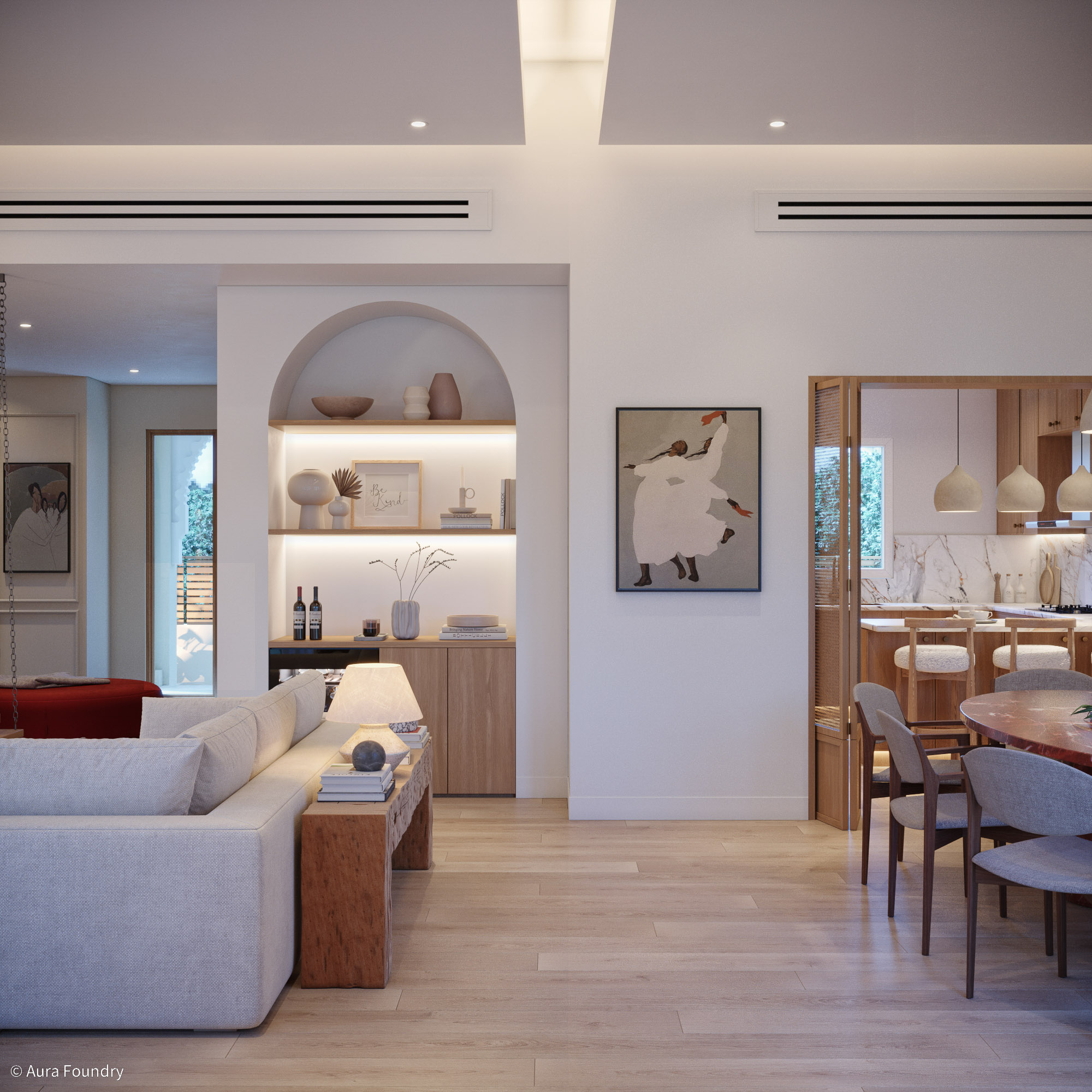
Vastu Tips for Your Pune Home Interior 2026
Vastu Shastra for modern Pune apartments — what's backed by practical reason, what's genuinely flexible, and how an interior designer works with vastu without compromising the design.
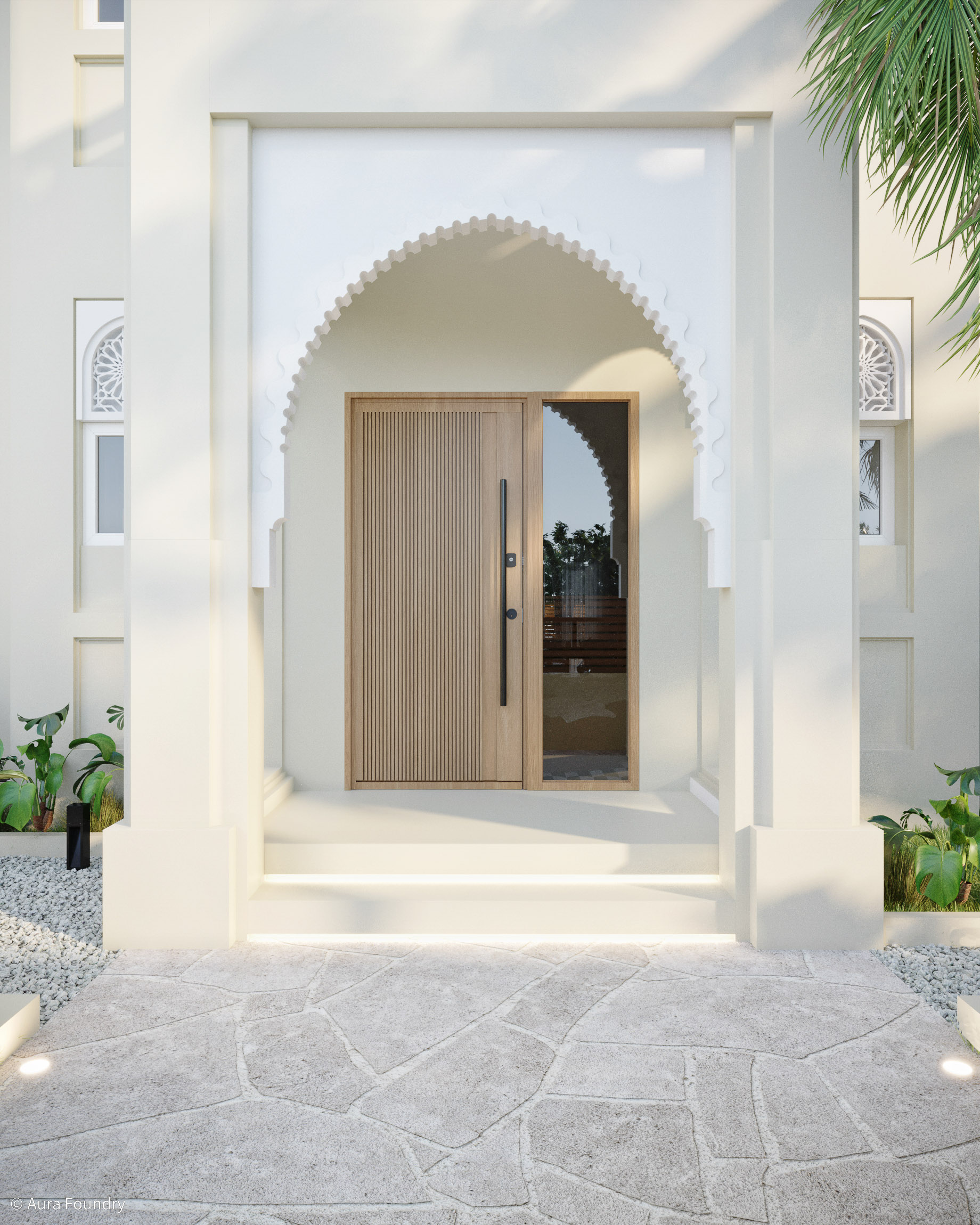
Vastu Tips for Your Pune Interior — 2026
Vastu and modern design aren't opposites. Here's what actually matters for Pune apartments — and what's flexible when you can't change the structure.