How Do Designers Handle Changes During a Project?
6 June 2026 · 4 min read
Changes are a normal part of every interior design project. I've never completed a single flat in Pune without at least one mid-project change request. The question isn't whether changes will happen — it's whether you have a process to handle them without derailing the budget or the timeline. See our services page for how we structure project documentation from day one.
Why Changes Happen
There are three main reasons clients request changes after execution has started.
First: a new idea mid-build. You see a neighbour's kitchen and suddenly want a different finish on your own. Completely understandable. Second: material unavailability. A tile specified in the design isn't in stock at the vendor — this happens more than you'd think in Pune. We always spec a primary and an alternate for critical materials for exactly this reason. Third: structural surprises. Old Undri buildings especially — you open a wall and find a beam or a pipe that wasn't on any drawing. The design has to adapt.
The Change Order Process
At Aura Foundry, every change — regardless of size — goes through a formal change order. That means:
1. The change is documented in writing — what specifically is being changed, what it replaces
2. A revised cost estimate is prepared and shared within 24-48 hours
3. Written approval is received from the client before any work proceeds
I've seen projects in Pune go spectacularly wrong because a contractor "adjusted something on the fly" and then charged for it at project close. No verbal approvals, ever. A WhatsApp confirmation is fine — but something written.
How 3D Renders Reduce Changes by 80%+
The single biggest way to minimise expensive mid-project changes is to see everything before a single nail goes in.
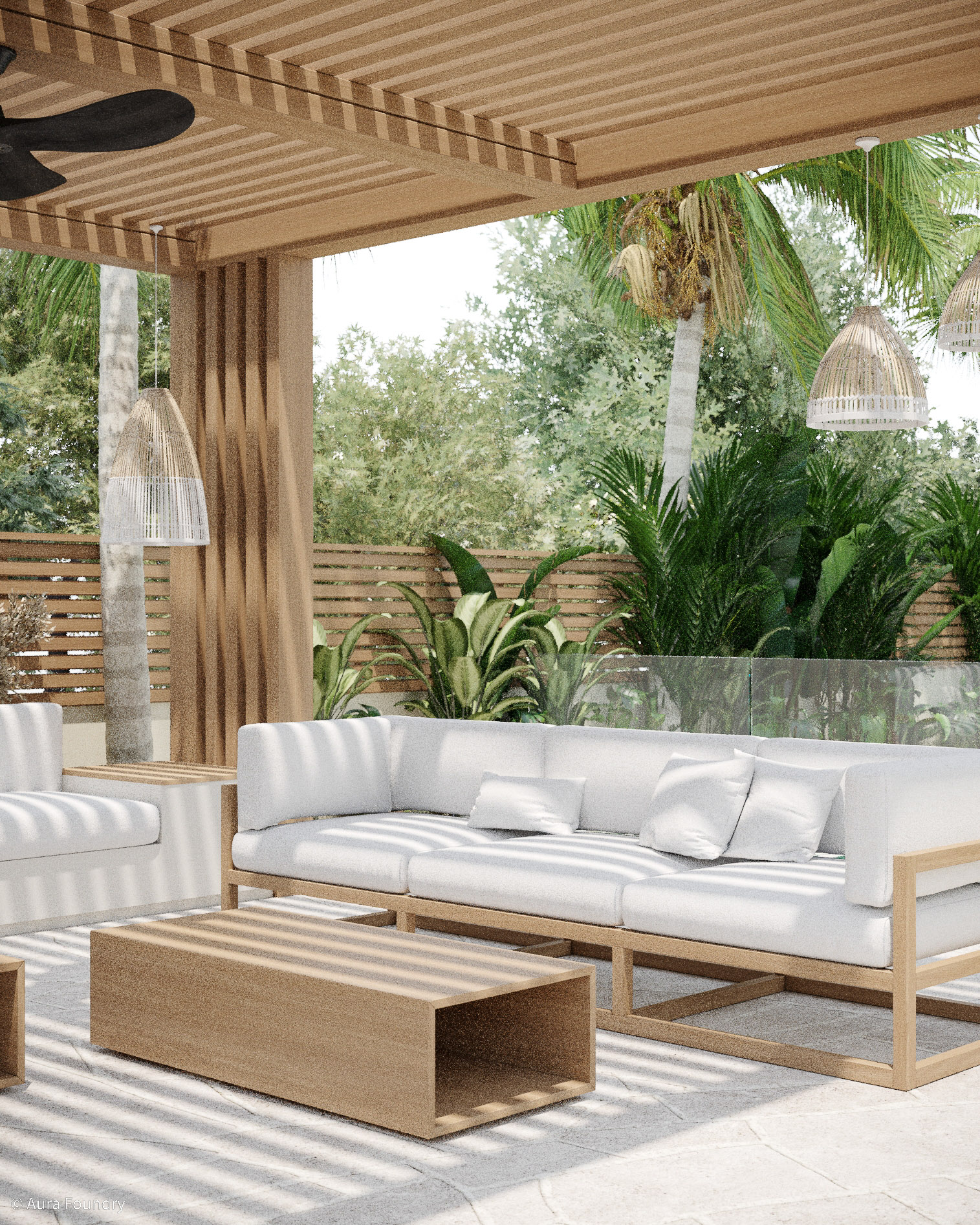
When I show a client a fully furnished, lit 3D render of their living room before we start, they can tell me: I want the sofa facing the other way, I don't like that pendant light, can we shift the TV wall. These changes cost nothing at the render stage. Read our full guide on why 3D renders save homeowners lakhs. The same change after carpentry is built can cost ₹15,000-₹80,000 depending on the scope.
My rule: if you haven't approved the render, the carpenter doesn't start.
What's Reasonable to Change vs What's Expensive
Not all changes are equal.
Low-cost changes (make these any time): paint colour, soft furnishings, accessories, loose furniture swaps, light fixture choice before installation.
Medium-cost changes (manageable with notice): tile choice before laying starts, counter material before fabrication, colour of shutters before painting.
Expensive changes (avoid after execution begins): layout changes after demolition, moving a kitchen position, carpentry that's already built and needs to be dismantled.
Ali's Policy
No change at Aura Foundry proceeds without written cost acknowledgment from the client. This protects you as much as it protects me — you always know exactly what a change costs before it happens, not as a surprise line item on the final invoice.
The home visit is also where we often pre-empt changes by discussing "what if" scenarios before we're locked in. Worth doing.

Book a Free Home Visit & Sketch
We visit your home, spend 60–90 minutes thinking about your space, and leave you with a hand-drawn concept sketch — free, no strings attached.
More Articles
.jpg)
How Long Does Interior Design Take in Pune?
From first call to final handover — the realistic week-by-week timeline for a 2 BHK interior design project in Pune in 2026, and the most common reasons projects run late.
How Long Does Interior Design Take in Pune
Most Pune homeowners underestimate how long a good interior takes. Here's the honest week-by-week timeline from first call to final handover — and what causes delays.