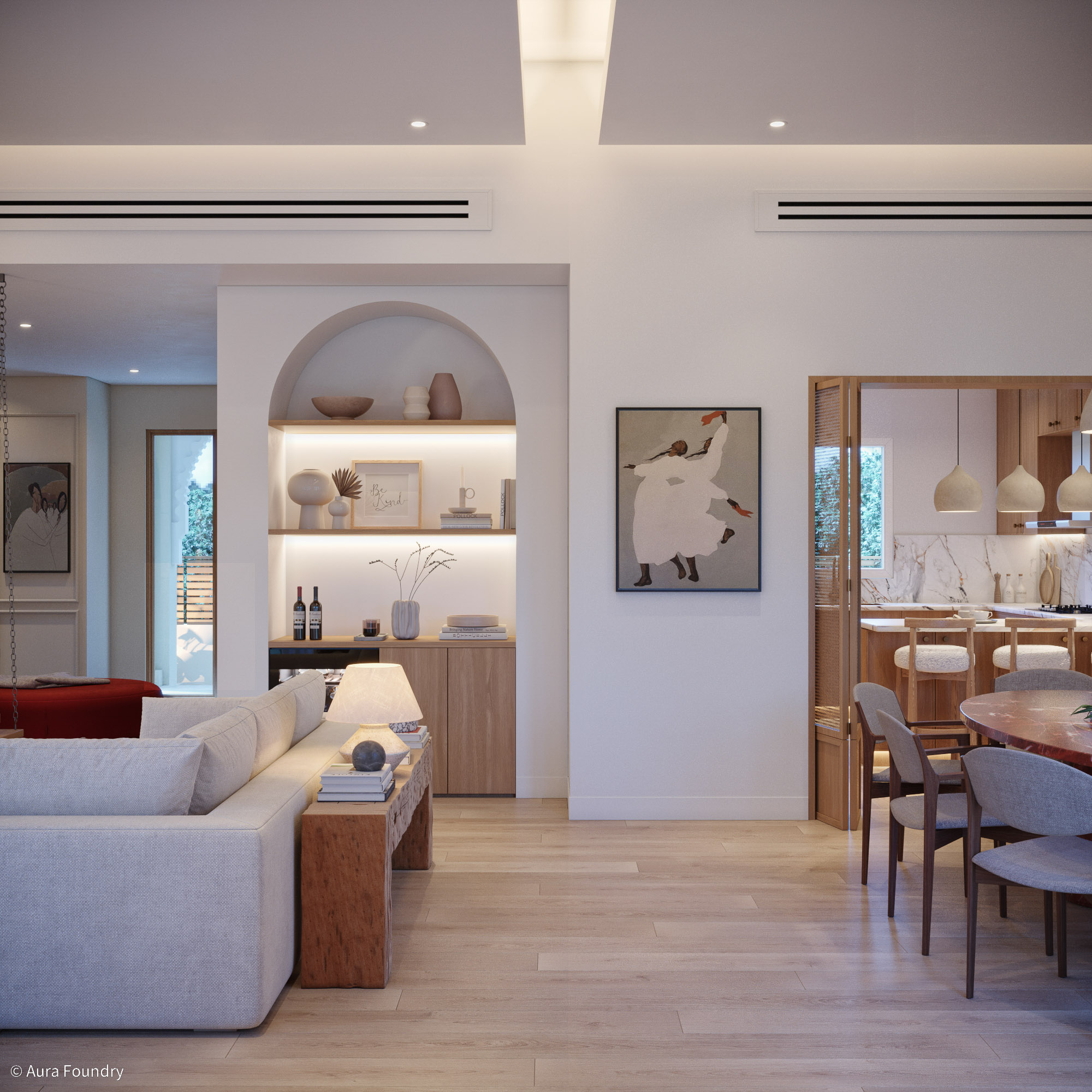
Vastu Tips for Your Pune Home Interior 2026
21 July 2026 · 5 min read
Quick Answer
Most vastu requirements in a Pune apartment can be addressed through furniture placement, material choices, and colour — without structural changes. The most commonly requested vastu principles: head to south or east during sleep, cooktop facing east, desk with your back to the wall and light to your left, north-east pooja room. Where a flat's layout prevents strict compliance, good designers adapt intent rather than enforce rules that damage the design. Guide by Ali Asgar Shabbir, Principal Designer, Aura Foundry Interiors · Last updated July 2026.
What Vastu Actually Addresses
Vastu Shastra is India's traditional system of architecture and spatial arrangement — rooted in the orientation of a home relative to the sun's path, prevailing winds, and the logic of natural light. Many vastu principles have a functional basis that translates directly to good design practice.
In a modern Pune apartment, vastu is most practically applied to:
- Furniture placement (bed direction, desk orientation)
- Kitchen layout (cooktop position, cook's facing direction)
- Colour selection by room
- Pooja room or mandir placement
- Entry and threshold design
What vastu cannot change — and what designers don't attempt to change — is the structural grid of a developer-built apartment. Columns, shear walls, and slabs are fixed. Within those constraints, most vastu requirements can be addressed with thoughtful design.
Bedroom — Bed Direction
Preferred: Head pointing south or east during sleep.
Why it matters functionally: South orientation places you with your head away from magnetic north, which some researchers associate with better sleep quality. East orientation means you wake facing the morning sun — a natural alarm and mood signal.
In a Pune apartment: Most bedrooms can accommodate south or east head orientation with some furniture adjustment. The main exception is when a structural column or window placement forces the bed into a specific position. In those cases, east is typically achievable even when south is not.
What we do in practice: We plan the bed position first, then design the wardrobe, TV unit, and storage layout around it — rather than placing furniture for aesthetics and then finding the bed can't face the right direction.
Kitchen — Cooktop Direction
Preferred: Cooktop on the south-east wall, cook facing east.
Why it matters functionally: East-facing cooking positions capture morning light — the peak cooking time for most Indian families. South-east placement keeps the cook's back to the kitchen entrance, improving workflow and reducing foot-traffic interruptions.
In a Pune apartment: Most kitchen designs can position the cooktop on or near the south-east wall. L-shaped and parallel kitchens are particularly accommodating. Straight single-wall kitchens occasionally need a workaround — we position the cooktop section of the counter toward the preferred orientation where possible.
What to avoid: Positioning the cooktop directly under a beam, in a corner with no ventilation, or directly opposite the kitchen entrance (chi flow issue with the equivalent in vastu logic).
Home Office and Study — Desk Orientation
Preferred: Facing north or east. Back to a solid wall. Window to the left (for right-handed people) or right (for left-handed).
Why it matters functionally: North-facing desks get consistent, glare-free light throughout the day in Indian homes. East-facing desks get good morning light. The solid wall behind you improves concentration and creates a professional video call background. Window to the side prevents screen glare.
In a Pune apartment: Most rooms have sufficient orientation options to achieve north or east facing without structural changes. The desk position is entirely a furniture-placement decision. See our study room interior design guide for how we integrate vastu-aligned desk placement into functional WFH spaces.
Colours by Room
Vastu colour logic maps directions to elements and the qualities associated with them:
| Room / Direction | Vastu Colour Logic | Practical Equivalent |
|---|---|---|
| Living room (north/east) | Whites, yellows, light greens | Warm neutrals, sage, off-white |
| Master bedroom (south-west) | Earthy tones, warm browns | Terracotta, warm beige, warm grey |
| Kitchen (south-east) | Oranges, reds (fire element) | Warm accent tiles, terracotta backsplash |
| Children's room (west) | Whites, light yellows | Soft yellows, warm whites |
| Pooja room (north-east) | Whites, light yellows, gold | Marble, cream, warm lighting |
In practice, vastu colour logic aligns closely with good design logic — warm, earthy tones in bedrooms; lighter, brighter tones in east and north-facing rooms. The overlap is substantial.
Pooja Room and Mandir
Preferred direction: North-east (Ishan corner). East-facing if a dedicated room isn't possible.
Idol and deity orientation: Facing west or south — so the worshipper faces east or north.
Practical Pune application: Most Pune apartments don't have space for a dedicated pooja room. We typically design an alcove mandir in the north-east corner of the living room or a dedicated cabinet on the east wall of the living-dining. See our pooja room design guide for material and lighting options that meet both vastu requirements and contemporary design.
What's Genuinely Flexible
Some vastu requirements are structural and cannot be met in a modern apartment without changing the flat's layout — which is neither practical nor advisable. In those situations, good design practice treats vastu intent rather than strict rule.
Examples:
- The main door facing south or south-west is traditionally inauspicious — but in a building where every flat on one side faces south, the principle gives way to practical placement of the entry experience (threshold design, lighting, foyer treatment)
- Staircase placement is structural — not a design decision
- Kitchen in the north-east is traditionally unfavourable — but if that's where the developer built the kitchen, we focus on cooktop placement and cook direction rather than relocating the kitchen
Book a free home visit — we'll walk through the vastu considerations specific to your flat's orientation and layout. Our studio is in Undri, with same-week visits across Pune.
Frequently Asked Questions
Can vastu be applied to a flat that's already built in Pune?
Yes — most vastu principles apply to furniture placement, colour, materials, and lighting, not structural changes. The layout of the building is fixed; the interior can almost always be arranged to respect vastu intent.
Is vastu mandatory for interior design in Pune?
No. Many clients have no vastu requirements at all. For clients who do, we integrate vastu from the space-planning stage so it informs the design rather than being retrofitted to it. Vastu-aligned design doesn't mean compromised design.
What is the best direction to sleep according to vastu in Pune?
Head pointing south is the most commonly recommended direction in vastu, followed by east. Avoid sleeping with your head pointing north — this is the most consistently advised vastu principle across traditions.
Does vastu affect interior design cost in Pune?
In most cases, no. Vastu-aligned furniture placement, colour choices, and mandir positioning add no cost. If vastu requires a partition, a specific material, or a structural modification (unusual in apartments), there is an additional cost — but this is rarely required.
Book a Free Home Visit & Sketch
We visit your home, spend 60–90 minutes thinking about your space, and leave you with a hand-drawn concept sketch — free, no strings attached.
More Articles
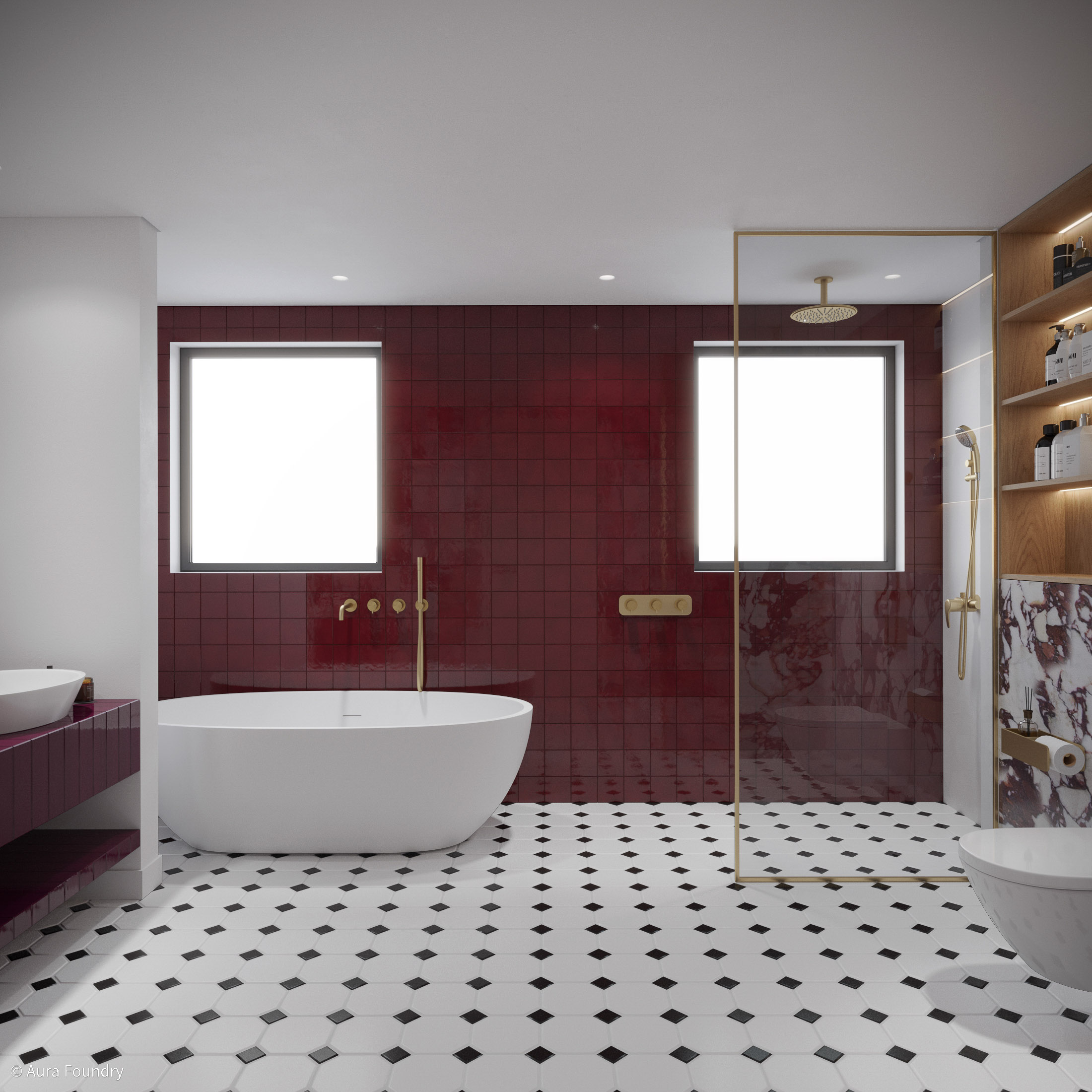
Can Interior Designers Help with Small Spaces and Apartments?
A 650 sq ft flat isn't a limitation — it's a design challenge. Here's how we approach compact apartments to make them feel twice the size.
.jpg)
Can a Designer Help with Wardrobe and Storage Solutions?
Storage is where most Pune apartments fail. Here's how good design turns the same square footage into twice the capacity.