What Happens If I'm Unhappy with the Design?
5 June 2026 · 5 min read
This conversation doesn't happen often in our work, but it happens in the industry regularly. And when it does, how it's handled makes the difference between a resolved situation and a destroyed relationship. The best prevention is a thorough design process — see why 3D renders before execution begins prevent most of these situations. Let me be direct about both sides.
Common Sources of Dissatisfaction
Expectations that were never aligned. The client imagined something different from what was designed. This is a brief problem — insufficient communication at the start. Neither party is necessarily at fault, but both need to own their role in it.
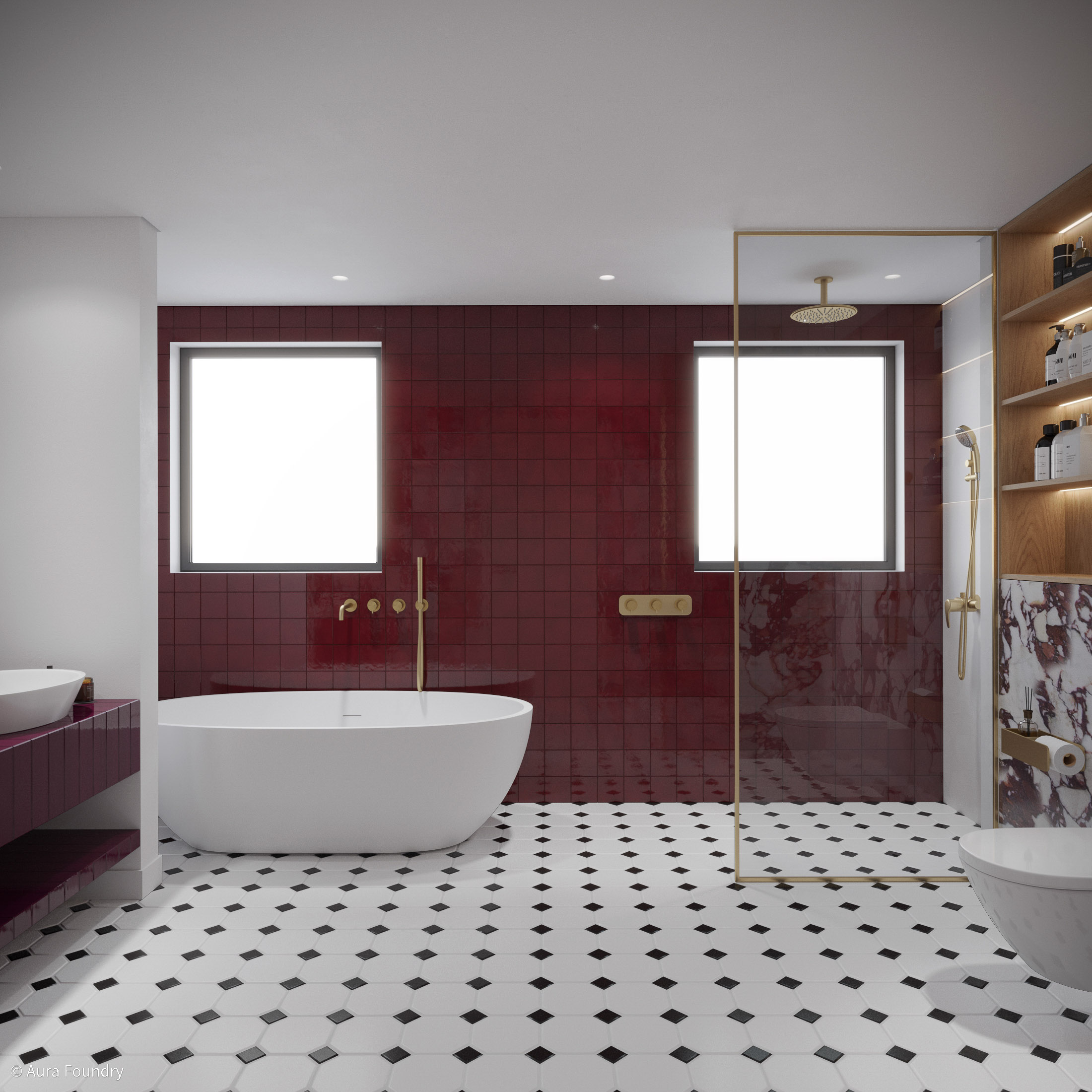
Execution different from the approved render. The render showed warm wood tones. The installed laminate looks nothing like it. This is a material specification failure — either the material wasn't specified precisely enough, or the contractor substituted without approval. This is the designer's accountability territory.
Contractor quality. The design was right but the execution was poor — uneven tile lines, poorly fitted doors, rough edge banding. If the contractor is the designer's recommended vendor and under their supervision, the designer is accountable. If the client sourced their own contractor from a design-only package, the accountability is more shared.
How to Raise It
When something is wrong, be specific. "I don't like how it looks" is not actionable. "The laminate colour on the TV unit is significantly cooler/darker than the approved render, which showed warm walnut tones" is actionable.
Document specifically. Reference the approved render or material sample. Describe what was delivered versus what was approved. Keep the conversation professional — a designer who is genuinely accountable responds better to a precise, documented concern than to an emotional complaint.
What a Good Designer's Response Looks Like
A good designer refers back to what was approved at each stage. If the render was approved and the execution matches it, that's the standard. If the execution doesn't match the approved render, the designer should take responsibility and rectify it.
Where a designer is NOT accountable: subjective changes in preference after approval. If you approved a warm grey wall, saw it painted, and now feel it's too warm — that's a change of mind after approval, not an execution error. That's a change order.
Aura Foundry's Policy
The approved render is the commitment. If an executed element doesn't match what was approved in renders and material samples, we fix it. No argument.
If a client's preference has changed after approval — different thing entirely. We'll discuss it, scope a change order, and handle it as additional scope. But we don't absorb the cost of client preference changes post-approval.
Prevention Is the Better Strategy
Written scope. Render approval signed off before execution begins. Material samples physically selected and documented. Change order process agreed in the contract. Our services page describes exactly how we document each stage.
If these four things are in place, disagreements are resolvable against documented standards rather than competing memories of a conversation.
The most expensive design disputes are the ones where nothing was written down and everyone is arguing about what was meant.
Ask us about our project documentation process before you hire anyone →

Book a Free Home Visit & Sketch
We visit your home, spend 60–90 minutes thinking about your space, and leave you with a hand-drawn concept sketch — free, no strings attached.
More Articles
.jpg)
How Long Does Interior Design Take in Pune?
From first call to final handover — the realistic week-by-week timeline for a 2 BHK interior design project in Pune in 2026, and the most common reasons projects run late.
How Long Does Interior Design Take in Pune
Most Pune homeowners underestimate how long a good interior takes. Here's the honest week-by-week timeline from first call to final handover — and what causes delays.